

Do pre-performance rituals work? Yes, until you can't play without one
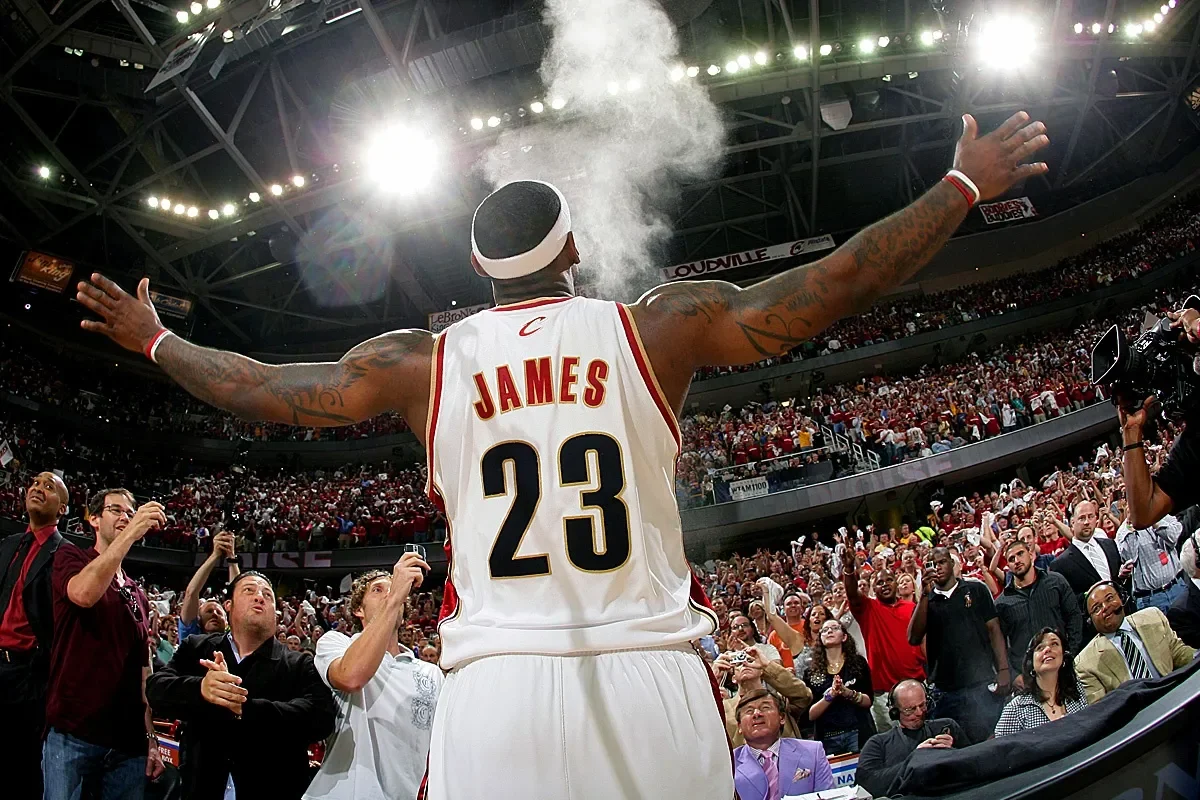
Lebron James chalk toss for the Cleveland Cavaliers
LeBron's chalk, Curry's sprint, Ronaldo's long breath. Rituals can settle nerves and sharpen performance, but the moment one becomes a condition for playing well, it starts working against you.
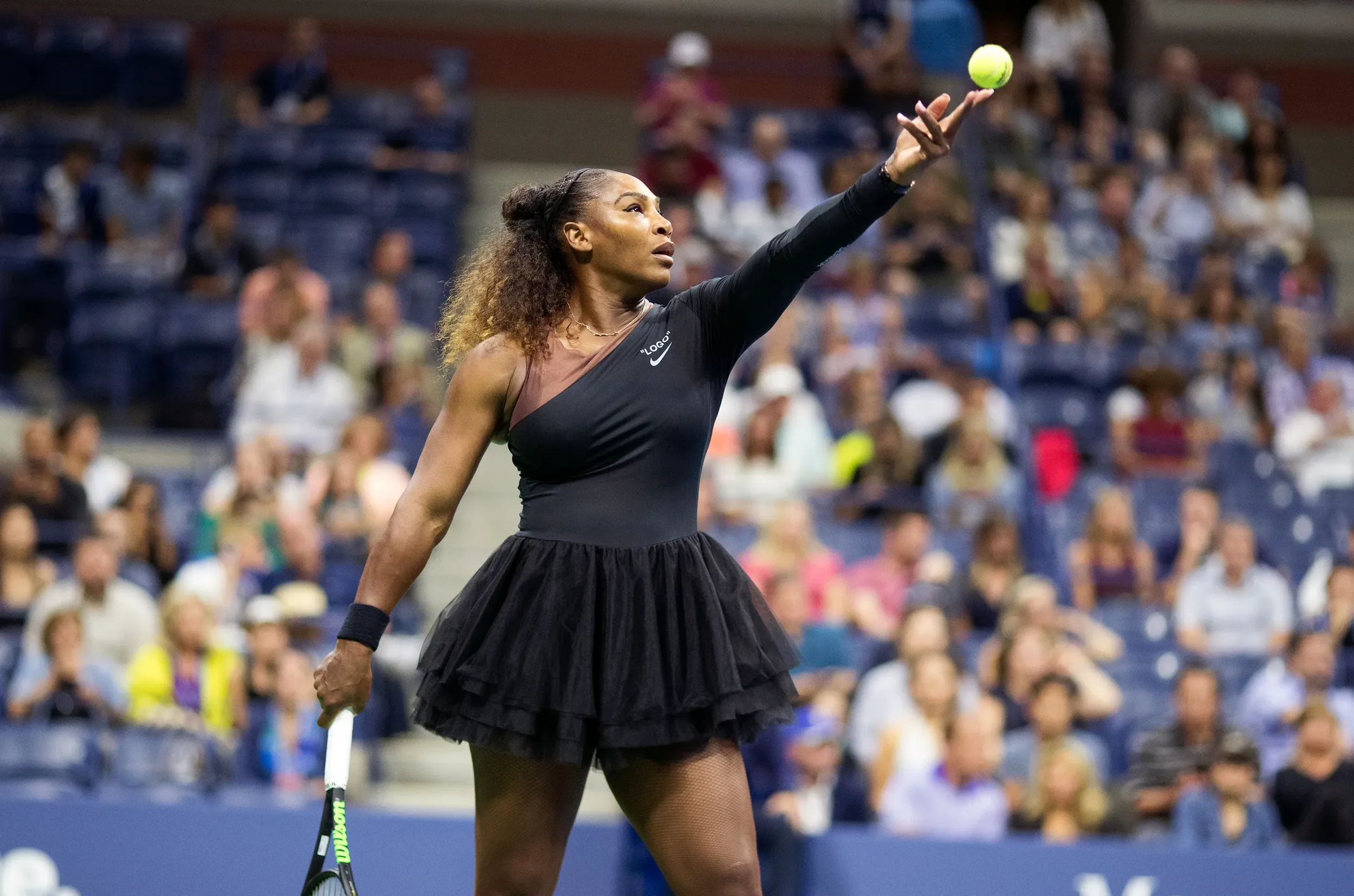
Paris, May 2008. Serena Williams, the best player in the world, loses in the third round of the French Open to Katarina Srebotnik, 6–4, 6–4.
Her explanation has been quoted ever since: "I didn't tie my laces right and I didn't bounce the ball five times and I didn't bring my shower sandals to the court with me… I just knew it was fate; it wasn't going to happen."
One of the greatest competitors in history had lost the match before it started. Not to her opponent…to her laces.
Do pre-performance rituals work? Often, yes. Research shows that a short ritual before a pressured task can lower anxiety and improve performance. But a ritual only helps while it stays a tool, something you choose that changes your energy or focus. Once you believe you can't perform without it, it stops serving you and starts controlling you.
If you're a player, you almost certainly have one. The same playlist. Left boot before right. A touch of the post on the way out. This isn't about stripping them away. It's about making sure your ritual works for you, and not the other way round.
What a pre-performance ritual actually does for you
A good ritual does three jobs:
It settles you. It brings your heart rate and nerves back to a level you can perform at.
It sets your energy. It lifts you up when you're flat, or brings you down when you're wired.
It gives you control. It gives you something familiar to hold on to in an unfamiliar, high-pressure place.
The evidence is real, if modest. In a 2016 Harvard-led study, people asked to sing Journey's Don't Stop Believin' in front of a stranger did a short ritual beforehand. They had lower heart rates, reported less anxiety and sang better than those who didn't. Then came the twist. When the same steps were described as "random behaviours" instead of a ritual, they worked less well.
In other words, part of a ritual's power is the belief you attach to it. This is also where the trouble starts
You can see the useful versions at the top of every sport. Watch Cristiano Ronaldo line up a free kick: the deliberate steps back, the wide stance, the long breath before he strikes. Novak Djokovic has said that "breathing exercises are a lot more useful than people think." Stephen Curry's pre-game sprint to the baseline started in 2012 as a race with teammate David Lee.
Routine or superstition? The tool vs crutch test
Not every ritual is equal. Some change your body and your attention while others only change your story.
CRUTCH
Changes nothing physical: lucky socks, the "right" laces, the same seat
You feel you have to do it
Must be done exactly, every time
If you miss it, you've already lost
TOOL
Changes your state: breathing, movement, visualisation, a cue word
You choose when and how to use it
Works in a shorter version when things go wrong
If you miss it, you adjust

When rituals backfire
The danger isn't the ritual. It's the rule you attach to it: I can only play well if…
The moment that rule forms, you've handed control of your performance to something that can be taken away. A late team bus. A delayed kick-off. A lost pair of socks. A referee who makes you wait. When the ritual goes wrong, you arrive with a ready-made excuse before a ball has been kicked. That is exactly what the Serena quote shows.
It also adds pressure. A routine that has to be done perfectly becomes one more thing you can fail at. This is the story you tell yourself, and it shapes how you perform under pressure. I've written more about that in The Story You Tell Yourself.
How to build a pre-performance routine that works
1. Audit what you already do. Write down everything you do in the hour before you play. Mark each item T (tool: it changes my energy or focus) or C (crutch: I'd panic if I missed it).
2. Build around the state you need, not luck. Decide first: do you need to be calmer or sharper? Then pick actions that change that state.
To settle: slow breaths with a long exhale, with your attention on the breath itself, not just going through the motions. It's not enough to just take a deep breath; where your focus goes matters. In a 2023 Stanford trial, five minutes a day of exhale-focused breathing improved mood and slowed breathing more than mindfulness did.
To lift: short, sharp movement, upbeat music and punchy self-talk ("First tackle. First touch. Go."). Inhale-led breathing is often taught for energy, but the evidence for it is thinner than for the calming side.
To focus: spend 30 seconds picturing your first action, and how you'll respond to an early mistake.
3. Rehearse it in training. A routine you only use on matchday is a superstition in waiting. Use it before key drills, set pieces and shootouts in training, so it's familiar when it counts.
4. Make it portable. Have a full version and a 30-second version for when the bus is late or kick-off is delayed. Agree on what you will do in advance: "If I can't do the full routine, I do three long exhales and say my cue word."
5. Break it on purpose. Once a month in training, skip or change one part of your routine. You're proving to yourself that it's optional. LeBron James built a signature out of his pre-game chalk toss, yet in 2014 he dropped it for a bit and carried on playing.
Use your ritual. Never need it.
Three months later
In September 2008, three months after Paris, Serena Williams won the US Open. The ability that won it had been there in Paris too. That's the point! Your ritual is the warm-up for your ability, not the source of it.
This week, write down your matchday ritual and mark every part tool or crutch. Then pick one crutch to change in training.
The ritual check
Does it change my energy or focus? Keep it.
Would I panic if I missed it? Rebuild it.
Do I have a 30-second version? Write one.
Have I rehearsed it in training? Start this week.
Have I broken it on purpose? Do it once this month.
Frequently asked questions
What is the difference between a pre-performance routine and a superstition?
A routine changes your physical or mental state. Breathing, movement, visualisation and cue words lower nerves, raise energy or sharpen focus. A superstition, like lucky socks or the "right" laces, changes nothing physical; its only power is your belief in it. Routines work when things go wrong. Superstitions fail exactly when you need them.
Do athletes' rituals actually improve performance?
They can. Research shows a short ritual before a pressured task can reduce anxiety and improve performance, partly because of the meaning you give it. The benefit is modest, though, and it depends on the ritual staying a tool. If you believe you can't perform without it, the same ritual becomes a source of pressure.
What should I do if I can't complete my pre-match ritual?
Have a 30-second fallback agreed in advance, such as three long exhales and a cue word. Then switch your attention to your first action in the game. Rehearse the short version in training, so that a late bus or delayed kick-off feels like a plan you've already used, not a disaster.
What is the best breathing technique before a game?
To settle nerves, use slow breaths with a long exhale, with your attention on the breath itself. A 2023 Stanford trial found exhale-focused breathing improved mood and slowed breathing rate. To raise energy, short sharp movement and upbeat self-talk are more reliable than breathing alone. Match the technique to the state you need.
Is pressure costing you on matchday? At Psych-Chek I help players build routines that hold up under pressure, and the mental skills behind them. Book a discovery call and we'll look at where your preparation is helping you and where it's holding you back.
Edgar Chekera is an HCPC-registered performance psychologist and founder of Psych-Chek. He has worked across 17 competitive esports titles, where his clients have won 22 international trophies and more than $2.3 million in prize money.