

How To Be A Creative Player Like Messi
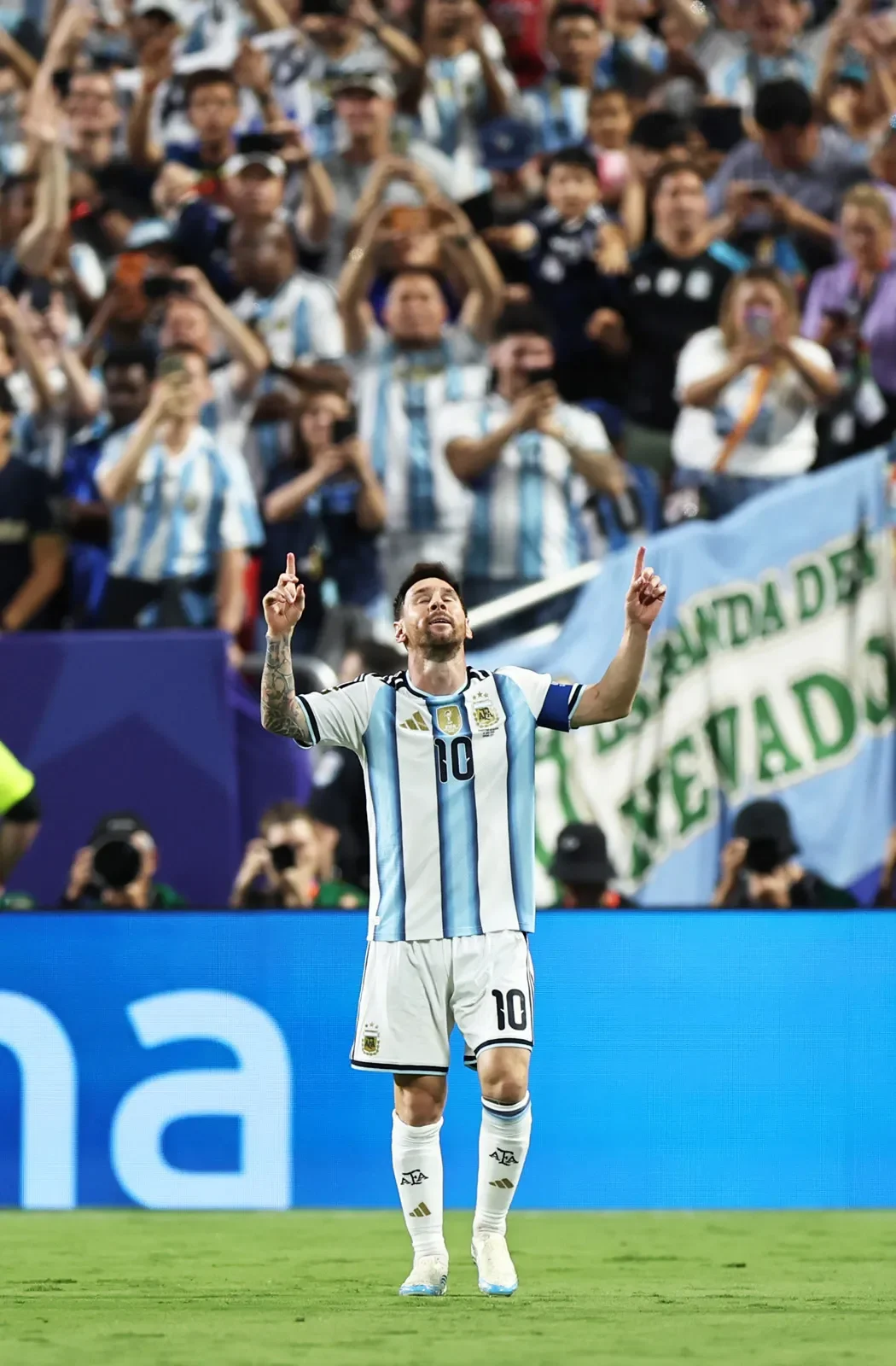
Understanding Tactical Creativity in High Performance Environments
The world cup is an opportunity for the best players in the world to show their ability to perform like a well-oiled machine in their national team. Players understand their roles, execute their responsibilities, and function as cohesive units. Yet how often do we examine the creative dimension of team performance? Can tactical creativity be developed systematically, or is it an innate quality reserved for exceptional performers like Messi?
What Is Tactical Creativity?
Tactical creativity in sport refers to unusual, innovative and unique solutions to a situation. This differs fundamentally from tactical intelligence, which is the ability to find ideal solutions to a problem.
Think of it this way: intelligence enables you to find common solutions to a given situation, whilst creativity allows you to discover unusual, unique and innovative solutions. Creativity is rare; intelligence is common.
True tactical creativity extends beyond individual skill execution. It encompasses how athletes utilise their teammates to create scoring opportunities. Consider Messi's ability to read the game and maximise his teammates' potential. during this world cup.
The Current State of Research
Research in tactical creativity remains in its early stages. Most studies have explored creativity broadly, with less focus on how to adequately develop it within team sports contexts.
The majority of tactical creativity research has concentrated on team ball sports, particularly in offensive situations. These scenarios provide athletes with opportunities to be creative through initiating actions and making decisions. Defensive situations receive less attention in creativity research, as athletes adopt a more reactive stance, responding to offensive players' actions rather than initiating creative solutions.
The Tactical Creativity Model
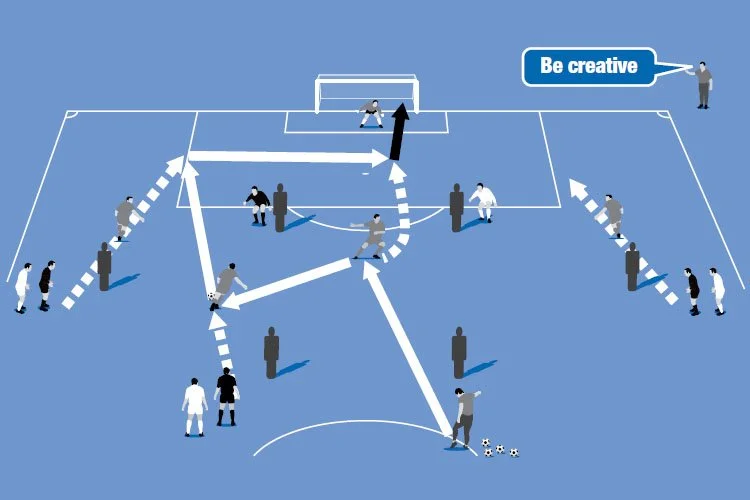
In 2015, Memmert provided a model outlining factors that contribute to tactical creativity in team and racket sports. This framework explains how creative solutions occur:
Perception and Working Memory: When faced with a situation, we initially perceive what's happening and use our working memory to understand the context.
Selective Attention: Attention is directed towards certain aspects of the situation, extracting meaningful information from the environment.
Solution Generation: This information is used to formulate and collect multiple solutions. This is where creativity emerges.
Intelligent Selection: Intelligence is applied to evaluate all possible creative solutions and select the most appropriate one. Having numerous unusual solutions doesn't guarantee selecting the correct one.
The Relationship Between Attention and Creativity
An athlete's ability to pay attention and be creative work hand in hand. Creativity involves attending to various information sources in the environment and using them to formulate appropriate yet unique solutions.
Being creative doesn't simply mean paying attention to obvious information, such as who's in front of you or where the goal is. It includes noticing less obvious details, such as a recently unmarked player who presents a new and unlikely pass option that could lead to a goal.
Research has found that the ability to pay attention to seemingly less relevant and less obvious information positively relates to greater sport-specific creativity. For example, a study found young handball players who noticed an unmarked player in an attention test were significantly more likely to formulate more original and flexibly creative solutions to handball match situations than those who didn't notice this player.
How to Develop Tactical Creativity: Evidence Based Strategies
Start Early
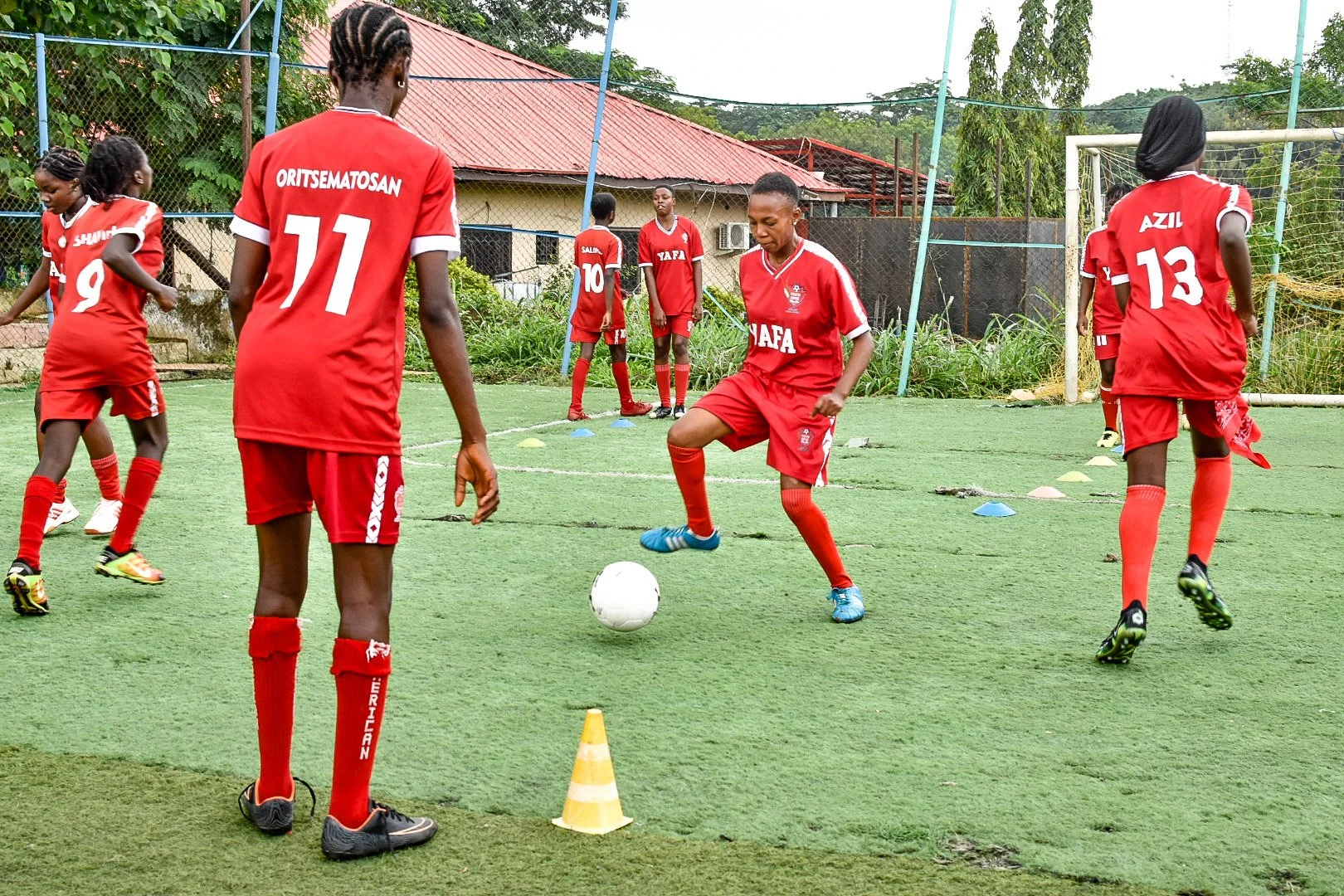
If you're looking to develop an athlete's tactical creativity, start as early as possible. Childhood is believed to be the optimal time for learning and developing creativity. Have them involved in a range of sports so they can use their experiences to create surprisingly new solutions to problems they may face.
Broaden Attentional Focus
Since attention is crucial for creativity, changing how an athlete pays attention in sport situations is important. For greater creativity, having a broader width of attention (being able to pay attention to multiple sources of information simultaneously) is helpful for performance.
The type of instructions coaches provide can significantly impact an athlete's attention and, therefore, their creative performance. Research has explored this relationship and found that in more complex sport situations, children who trained under instructions that allowed them to broaden their attention (being told only the idea and rules of the game with no special tactical advice or feedback) showed improvement in creative performance in game test situations.
This finding challenges conventional coaching wisdom. Whilst coaches may feel that providing constant feedback and instructions helps athletic development, research suggests that doing this for young children may actually restrict their ability to attend to more information and prevent them from considering more creative options in tactical tasks.
Practical Application: Instead of instructing "I expect you to pass to ONE of your teammates to get past the opponent and score a goal", try "Use ALL the information and players available to get past the opponent and score a goal".
Incorporate Deliberate Play
Letting athletes take part in deliberate play can help develop their creativity. Deliberate play isn't the same as free play. It's not simply letting the athlete play whatever they want. Rather, it's a form of practice that seems unstructured but still contains sport-related goals.
Think of a five-a-side football game where strict instructions aren't provided, only a few rules are established, and players can perform within the constraints of these rules however they like. This type of play, especially at an early age, has been reported by more creative players as something they engaged in more intensely when they were children (before they were 14 years old) than less creative players.
Additionally, research has found athletes who engaged in one sporting activity experienced a transference of improved creativity to another sport. In short, let young athletes play, and let them play a lot.
Engage in Sport-Specific Training
Engaging in deliberate practice in sport-specific training is helpful. Deliberate practice focuses on developing expertise within a given sport. This is where the 10,000 hour principle comes into play.
Athletes who were rated by their coaches as being more creative in their main sport reported spending more hours training in their main sport than those who were less creative. Whilst this difference wasn't statistically significant in the research, it was approaching significant levels, indicating that deliberate and effortful training in the main sport may help develop greater creativity within that sport.
In summary:
Begin Development Early: Aim to develop creativity when athletes are young.
Use Broad Instructions: When developing tactical creativity, use instructions that don't narrow the performer's attention.
Encourage Deliberate Play: Let the athlete engage in deliberate play and take part in other sports.
Maintain Sport-Specific Training: Let the athlete engage in focused, sport-specific training.
Frequently Asked Questions
What is the difference between tactical creativity and tactical intelligence?
Tactical intelligence is the ability to find the best or most ideal solution in a specific situation, which relates to convergent thinking. Tactical creativity involves generating multiple unusual, original, and surprising solutions to a problem, which is associated with divergent thinking.
Can tactical creativity be coached or is it an innate talent?
Research suggests tactical creativity can be systematically developed and is not purely an innate talent. Coaching methods that provide freedom for players to experiment, use less restrictive instructions, and incorporate deliberate play are effective in fostering this skill.
What are the most effective ways to develop tactical creativity?
Effective development strategies include starting at a young age, using training instructions that broaden an athlete's focus of attention, and encouraging deliberate play like small sided games. Additionally, diversifying by playing multiple sports and engaging in deliberate practice in the main sport are crucial for developing creative behaviour.
Final Thoughts
This area of research remains in its early stages, so the research findings and principles should be taken with appropriate caution. However, this does provide valuable insight into the possible development of theory and practical approaches to developing tactical creativity in performance environments.
For those in performance-driven roles across sport, medicine and law, the principles of tactical creativity offer transferable lessons: the importance of broad attention, the value of deliberate practice combined with exploratory learning, and the recognition that creativity can be systematically developed rather than simply hoped for.