

Confidence 101: Building Mental Resilience for Peak Performance
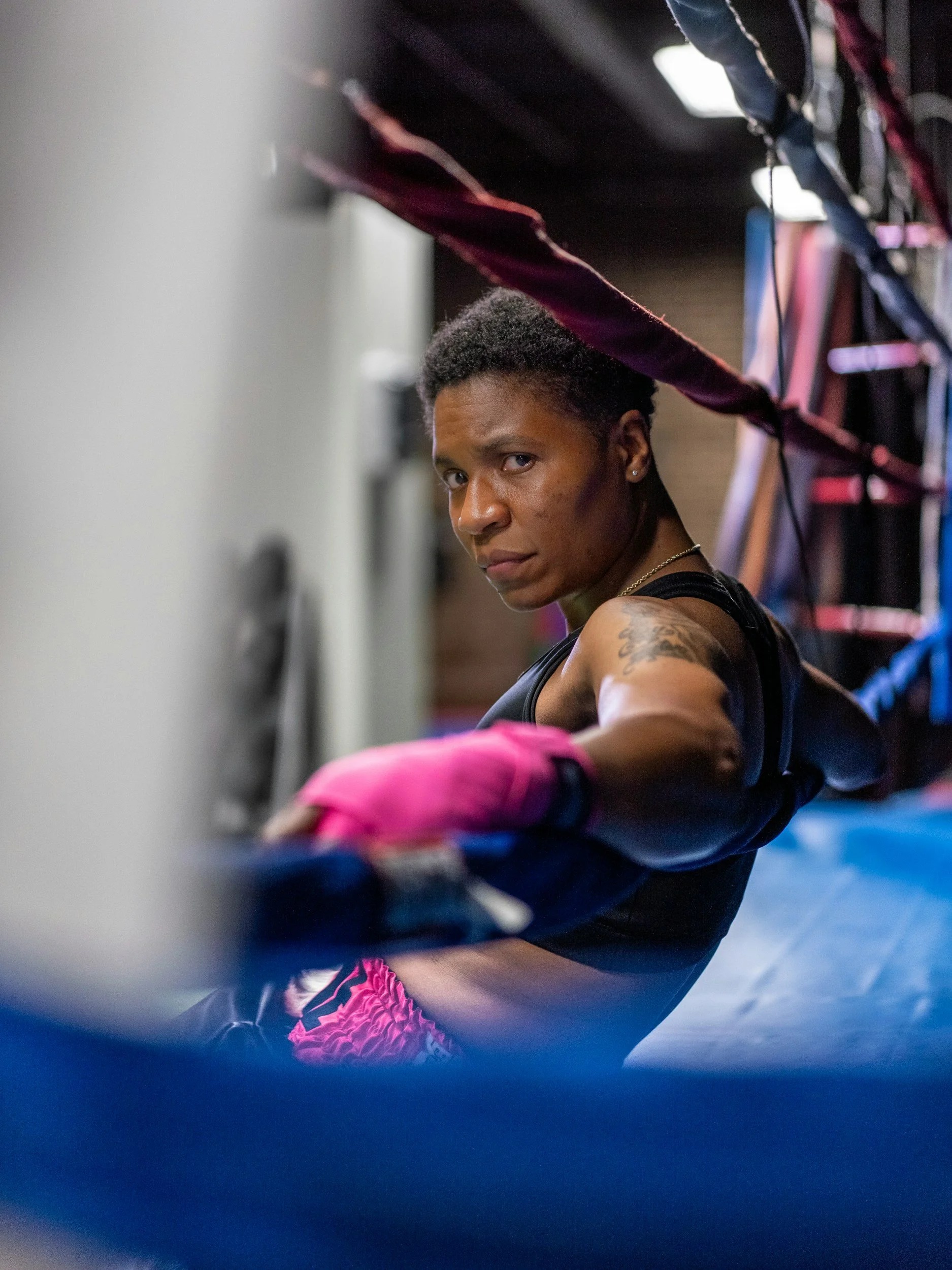
Understanding Confidence as Your Competitive Edge
Confidence appears to be the X factor that separates good performers from great ones. Athletes like Michael Jordan, Tiger Woods and Muhammad Ali seem to possess an unshakeable belief in themselves that no opponent can penetrate. Research supports that confidence is indeed an important psychological factor positively related to performance outcomes.
However, there's a critical misconception worth addressing: more confidence doesn't automatically equal better performance.
The Confidence Paradox: When More Becomes Less
Consider this scenario. You're about to perform and feel utterly untouchable, as though nothing can go wrong. This excessive confidence often leads to complacency. Some performers enter their task underestimating their opposition or believing they'll simply glide through without genuine effort. The result? An underprepared performer who fails because they haven't given proper respect to the challenge or devoted adequate attention to execution.
The lesson is clear: whilst confidence is undoubtedly important to your mental game, believing that "more is better" or that confidence alone determines success is fundamentally flawed thinking.
Can You Actually Develop Confidence?
Many people believe confidence is simply a personality trait you either possess or don't. How often have you heard someone say, "You either have it or you don't"? This perspective refers to trait confidence, the seemingly innate confidence some athletes display regardless of circumstance. Whether facing a crucial basketball shot or the final putt for a major championship, these performers appear unshakeable.
But here's the encouraging truth: confidence is also a skill that can be systematically developed and refined.
State Confidence: Situational and Trainable
State confidence varies depending on context and circumstances. A footballer might experience lower confidence minutes before kickoff, then feel significantly more confident ten minutes into the match. This fluctuation is entirely normal and, importantly, manageable through deliberate practice.
Active Confidence vs Passive Confidence
Understanding the difference between these two types is essential for meaningful development.
Passive confidence is what you "just feel" in the moment. An athlete might say, "I'm feeling good today, so I feel confident." This confidence requires minimal effort and stems from circumstance rather than preparation.
Active confidence is what I recommend you develop. This requires genuine energy and intentional practice. Active confidence building includes:
Reviewing highlights of previous successful performances
Clarifying your specific role and responsibilities
Journalling positive feedback from coaches and mentors
Visualising overcoming obstacles and successful outcomes
Practising positive self-talk in relevant situations
The Real Barriers to Confidence Development
I've identified two primary obstacles when working with performers seeking to build confidence.
First, many rely exclusively on passive confidence whilst neglecting active confidence entirely. They wait to "feel confident" rather than building it through deliberate action.
Second, performers often underestimate the consistency required. They might try a visualisation technique once or twice, then feel disappointed when confidence doesn't dramatically increase. Like any physical skill, active confidence requires repeated, consistent practice. How many visualisation repetitions have you completed? In how many situations have you refined your self-talk approach?
Confidence is absolutely a skill that can be built. The difference between those who develop it and those who don't isn't talent or luck. It's commitment to consistent, deliberate practice of the techniques that matter.
Questions and Answers
Is confidence a natural trait or a skill that can be developed?
Confidence is not a fixed personality trait you are born with but a skill that can be actively learned, practised and developed over time. Whilst some people may have a predisposition to being more optimistic, your biology does not predetermine your ability to master the skill of confidence.
What are practical strategies to actively build confidence for high pressure situations?
Practical strategies include using positive self-talk to reframe your inner dialogue and focusing on past successes to build a mental bank of wins. Other techniques involve mental rehearsal through visualisation, controlled breathing exercises to calm your nervous system, and ensuring you are thoroughly prepared.
Can you have too much confidence and how does it affect performance?
Yes, overconfidence can be a performance destroyer as it can lead to complacency, reduced motivation, and a failure to prepare adequately for a challenge. This can result in underperformance, as an athlete or professional might underestimate their opposition and not give the task the focus it requires.