

Could You Do an Ironman in Antarctica? How One Man Redefined the Limits of Human Endurance
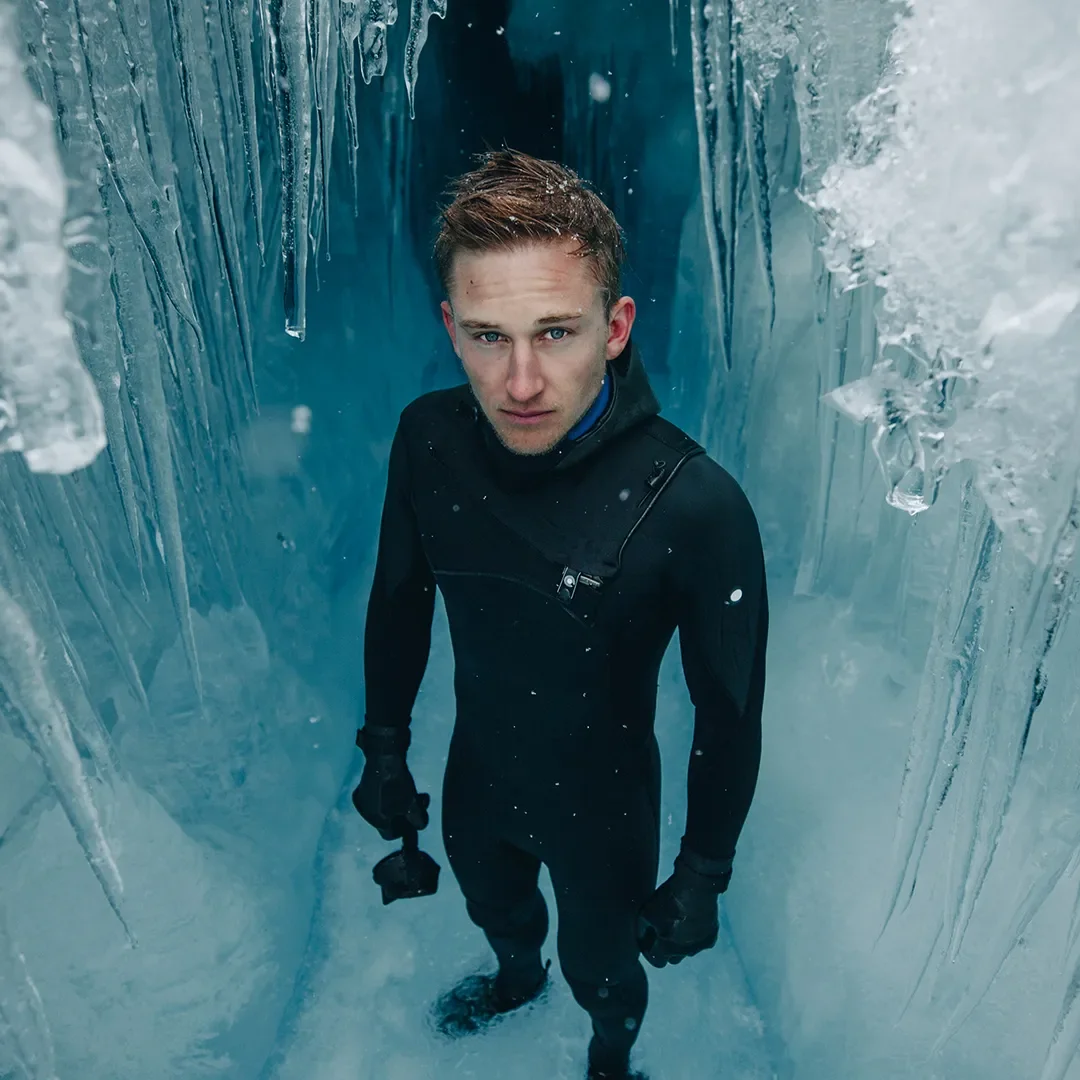
Anders Hofman/British GQ
The Impossible Made Possible
Meet Anders Hofman. If his name doesn't ring a bell yet, don't worry. Anders is a Danish-born athlete who achieved something no one else ever has: he completed an Ironman in Antarctica.
For those unfamiliar, an Ironman is one of the most gruelling endurance races on the planet, consisting of:
A 3.8 km swim
A 180 km bike ride
A 42.2 km marathon run
Now, imagine doing all this in freezing water temperatures around -2°C, plunging into icy waters whilst trying to avoid a leopard seal, cycling through blizzards, and running against biting winds and snow. What drives someone to even attempt such a feat? And more astonishingly, what mindset allows them to actually finish it?
I highly recommend watching the documentary on YouTube to experience Anders' journey firsthand: https://youtu.be/ROQNfVc4BYI?si=nTbo6BgaJHJi_HtI
The Power of Belief: Redefining Your Mental Limits
To glimpse into Anders' mindset, consider this powerful quote from him:
"Limitations are perceptions."
At first, it might sound like a cliché or simple motivational talk. But this phrase goes far deeper. It's not just a self affirmation. It's a core belief that shapes how Anders views challenges, himself, and the future.
How Beliefs Shape Performance Under Pressure
Such beliefs profoundly influence how we respond to adversity. According to cognitive behavioural therapy, it's not the adversity itself that determines our reactions, but the beliefs we hold about it. This applies to both our actions and emotions.
Picture yourself swimming in icy water, cycling through a blizzard whilst repeatedly falling, and running against relentless elements. What pushes you forward in those moments are the beliefs you hold. I can honestly say I wouldn't be thinking "my limitations are just perceptions" in those conditions. But for Anders, that belief was the fuel that kept him going.
Beyond Willpower: The Role of Mental Skills and Support
That said, let's be clear: even the strongest beliefs get tested. During a fierce snowstorm, Anders' mindset was pushed to the brink. This teaches us a vital lesson: you cannot rely on willpower alone. Anders' willpower and determination are extraordinary, likely forged through countless endurance events. But even willpower has limits.
The Critical Role of Social Support in Endurance Performance
What helped Anders break through those limits was his team, especially his brother.
Social support is one of the most critical factors in endurance success. Anders had that in his brother. Someone who has been by his side throughout his athletic career, someone who truly knows him, and someone who provides emotional and self esteem support. Having his brother there to cheer him on and motivate him during the toughest moments made all the difference, preventing Anders from breaking down under the immense pressure.
What Separates the Extraordinary from the Ordinary
How much would you need to get paid to attempt running a marathon in Antarctica? Now, how much would you need to complete an Ironman? Imagine doing that for free, and doing it to prove a point. This was the motivation for Anders Hofman, who completed the world's first Ironman in Antarctica, also known as the Iceman challenge.
You would think you have to be someone special in order to complete a dangerous quest like this. However, what Anders used to complete this wasn't special. It was something that you and I can develop.
This story is a testament not just to physical endurance, but to the power of belief, resilience, and the support of those who stand beside us when the going gets toughest. These are the mental skills that separate those who perform under pressure from those who don't.
Questions and Answers
How does a strong belief system influence performance in high pressure environments?
A strong belief in your own abilities, known as self efficacy, is a primary predictor of performance and resilience in high pressure situations. This belief system influences how you interpret challenges, regulates emotions, and increases the effort and persistence you apply when facing adversity.
What are the key mental skills required for elite professional performance?
Elite performance depends on developing core mental skills such as goal setting, positive self talk, mental imagery, and maintaining concentration under pressure. These skills help to regulate anxiety, build confidence, and improve an individual's ability to adapt to unexpected challenges.
How critical is a social support network for success in extreme challenges?
A social support network is critical for success, providing emotional, informational, and practical assistance that enhances resilience and motivation. Having a strong community fosters accountability and boosts self confidence, which is essential for persevering through setbacks and achieving difficult goals.